Working With Top Plumbing Services in Lawrenceville
Becoming Proficient in Plumbing: Crucial Water Line Repair Insights for Every Homeowner
Mastering plumbing is a essential skill for homeowners. It provides the ability to handle common water line problems effectively. Familiarity with essential tools and basic repair techniques can preserve time and money. However, even the most competent DIY enthusiast can face difficulties. Understanding when to tackle a problem and when to seek professional help is vital. The journey to becoming proficient in plumbing repairs commences with recognizing potential pitfalls and learning how to navigate them.
Grasping Common Water Line Concerns
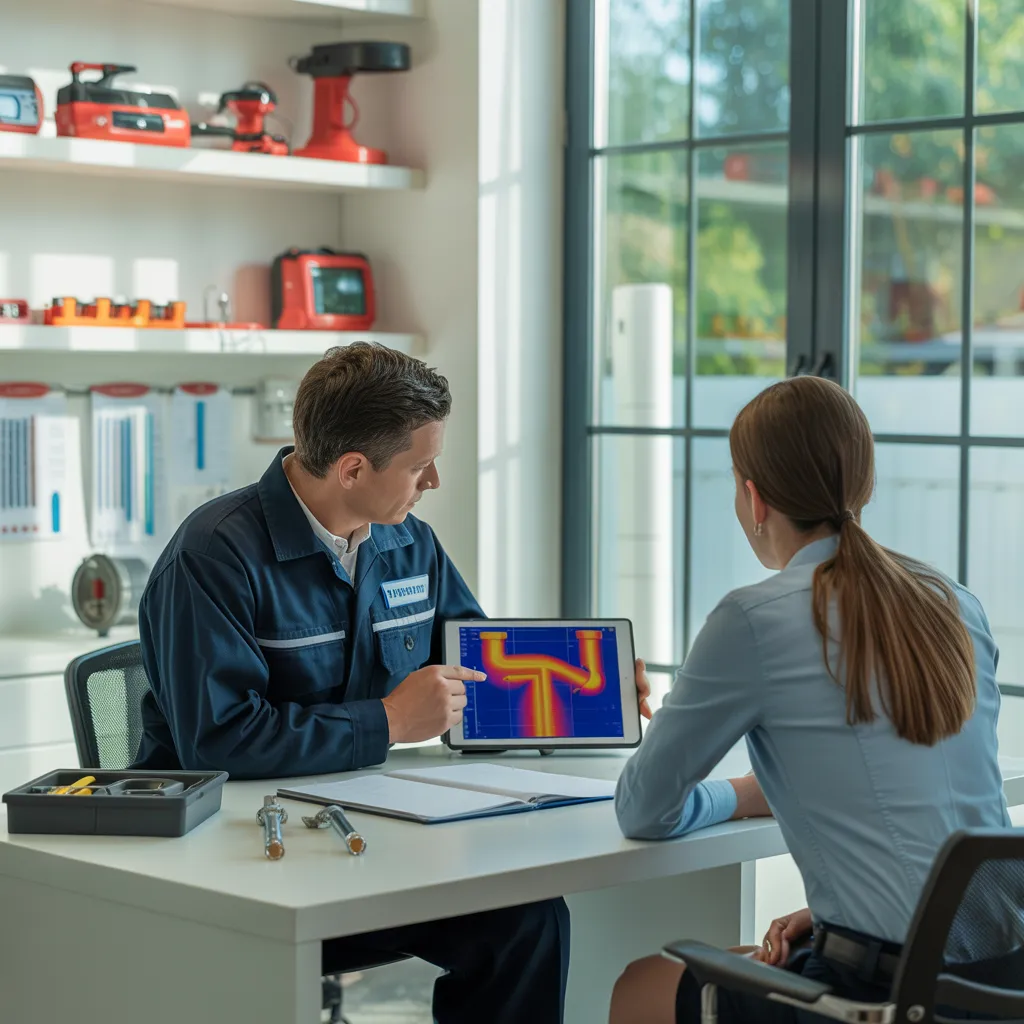
When residents run into trouble with their water lines, they commonly experience a range of common issues that can disrupt daily routines. Leaks represent the most widespread concern, presenting as water stains, moisture, or decreased water flow. These water escapes may come from deteriorated piping, unstable fixtures, or damaged seals. A further typical concern is clogs, stemming from mineral deposits, debris, or root systems penetrating the piping. Such obstructions can lead to poor drainage or complete stoppage, demanding prompt action. Homeowners may also experience inconsistent water temperatures, frequently connected to faulty water heaters or deficient insulation. Furthermore, odd noises—including hammering or gurgling—can suggest captured air in the network or issues with water flow. Identifying these typical water line problems enables property owners to handle them quickly, reducing interference and preventing more significant damage. Grasping these concerns is vital for sustaining a functional and reliable plumbing system.
Key Equipment for Water Line Repairs
While tackling water line repairs, maintaining the right tools is vital for success. Basic plumbing tools, like wrenches and pipe cutters, create the foundation of any repair kit. Additionally, safety equipment including gloves and goggles ensures protection while working on potentially hazardous tasks.
Basic Plumbing Tools Necessary
Having the right tools is necessary for anyone undertaking water line repairs, as specific tools can make the job more efficient and effective. Important implements include a pipe wrench, which offers a firm hold for securing or releasing pipes. A set of adjustable wrenches is also crucial for assorted connectors and junctions. Plumbers' tape ensures a watertight seal, while a hacksaw is required for slicing pipes to size. Furthermore, a pipe cutter produces a clean cut for a professional finish. Owning a basin wrench can help navigate narrow locations, and a plunger is crucial for clearing blockages. Finally, a dependable flashlight is essential for lighting dark areas during repairs. Together, these tools allow homeowners to handle water line issues assuredly.
Safety Equipment Fundamentals
Having the right safety gear is as important as having the proper tools for water line repairs. Homeowners should prioritize personal protection to ensure a safe repair process. Essential safety equipment includes gloves, which protect hands from sharp objects and hazardous materials, and safety goggles to protect eyes from debris and water splashes. Additionally, a sturdy pair of knee pads can offer comfort while working on floors or in confined spaces. A hard hat may also be necessary if working in areas susceptible to overhead hazards. Finally, non-slip footwear is essential for maintaining balance on wet surfaces. By purchasing quality safety gear, homeowners can minimize risks and focus on successful water line repairs.
How to Fix Leaks: A Step-by-Step Guide
Throughout the leak fixing process, the first crucial step is to find the source of the problem. Once the leak is discovered, different repair strategies can be applied to properly address the issue. Understanding these procedures ensures a successful resolution and forestalls future complications.
Identify the Leak Location
What's the best way to pinpoint the source of a leak in plumbing? To start, homeowners should carefully examine areas where water is found, such as under sinks and around appliances. They should look for signs of dampness, water stains, or mold growth. Subsequently, listening for dripping sounds can help identify hidden leaks, especially in walls or ceilings. Making use of a moisture meter can offer precise readings, confirming corresponding information the presence of water where it shouldn't be. Moreover, checking the water meter for abnormal activity while no water is in use can signal a leak. If all else fails, if the source remains elusive, contacting a professional plumber for a thorough assessment may be needed, ensuring the leak is properly located and addressed promptly.
Repair Methods Overview
After the source of a leak has been identified, the next step involves implementing appropriate repair techniques. Homeowners should begin by shut off the water supply to avoid further damage. For tiny leaks, applying tape or sealant designed for waterproofing can provide a short-term repair. If dealing with a pipe, removing the damaged section and replacing it with a new piece using couplings is often necessary. For more serious issues, utilizing soldering or a coupling connector may be required. After repairs, it is essential to restore the water supply slowly and examine for any remaining leaks. Lastly, homeowners should watch the repaired area over the following days to ensure the fix holds and no extra problems emerge.
How to Unclog Water Lines
Obstructed water lines can disrupt daily routines and lead to more severe plumbing issues if not addressed promptly. Homeowners can take several useful measures to clear these blockages. First, using a plunger can help dislodge minor clogs. It is vital to create a tight seal and use quick, forceful thrusts to build pressure. For more difficult clogs, a plumber's snake can be employed to reach deeper blockages and break them apart.
Chemical drain cleaners are another option; however, they should be used with caution due to potential pipe damage. A homemade solution of vinegar combined with baking soda may also assist in breaking down organic material. If these methods are ineffective, it may be necessary to hire a professional plumber. Recognizing the cause of the clog is critical to guarantee effective removal and prevent future issues, making it important for homeowners to remain vigilant about their plumbing systems.
Proactive Actions to Prevent Future Difficulties
To avoid future plumbing problems, homeowners should adopt a proactive strategy to their plumbing systems. Regular maintenance is essential; this includes inspecting for leaks, inspecting water pressure, and ensuring proper drainage. Homeowners should also be attentive about their plumbing fixtures, replacing worn-out parts promptly to avoid larger issues down the line.
Utilizing drain screens can successfully avoid debris accumulation, while regular upkeep of drains will aid in keeping a clear water flow. Moreover, homeowners should be conscious of what goes down their sinks and toilets, refraining from flushing non-biodegradable items and harsh chemicals that can deteriorate pipes.
Seasonal inspections can catch potential problems early, most importantly before cold weather when pipe freezing becomes a concern. Finally, installing water softeners may reduce mineral buildup, prolonging the life of your plumbing infrastructure. When applying these protective measures, homeowners can greatly reduce the likelihood of costly repairs in the future.
When to Call a Professional Plumber
What indicators suggest that a homeowner needs to contact a professional plumber? Several signs point to the necessity of expert plumbing help. To begin with, ongoing leaks or drips that remain unresolved after simple fixes typically need professional attention. Next, considerable fluctuations in water pressure or unexpected reductions may reveal underlying complications needing expert evaluation. Furthermore, homeowners must watch for sewage backups or strange smells, which may signal serious plumbing issues presenting health hazards. In addition, should a homeowner be missing the required tools or skills to manage a repair, enlisting a professional can preserve time and preclude extra damage. Lastly, plumbing projects requiring major renovations or alterations must be handled by licensed plumbers to ensure adherence to local regulations and requirements. Understanding these signals helps property owners make educated determinations about when to request professional plumbing help.
Frequently Asked Questions
How Can I Identify the Location of a Hidden Water Leak?
To discover a hidden water leak, one should track water meter readings, listen for uncommon sounds, check for wet areas or mold, and assess walls and ceilings for discoloration, which indicates possible leak locations.
How Can You Tell If Your Water Line Is Failing?
Warning signs of a deteriorating water line include cloudy water, unexpected water bills, damp or muddy spots in the yard, decreased water pressure, and the presence of mold inside the home. Timely attention is necessary.
Do DIY Fixes for Frozen Water Lines?
Absolutely, DIY approaches for frozen water lines include using a hairdryer or heat lamp to gently warm the impacted area, wrapping pipes in towels drenched in hot water, or applying heating tape specifically designed for pipes.
How Do I Locate My Main Water Shut-Off Valve?
To identify the location of the main water shut-off valve, check near the water meter, usually located in crawl spaces, basements, or outdoors along the outer edge of the home, providing easy access for emergencies.
What Is the Typical Expense of Professional Water Line Repair?
Average costs of professional water line repair typically range from $500 to $2,500, contingent upon factors such as the extent of damage, labor costs, and location. Homeowners should acquire multiple estimates for precise budget planning.